

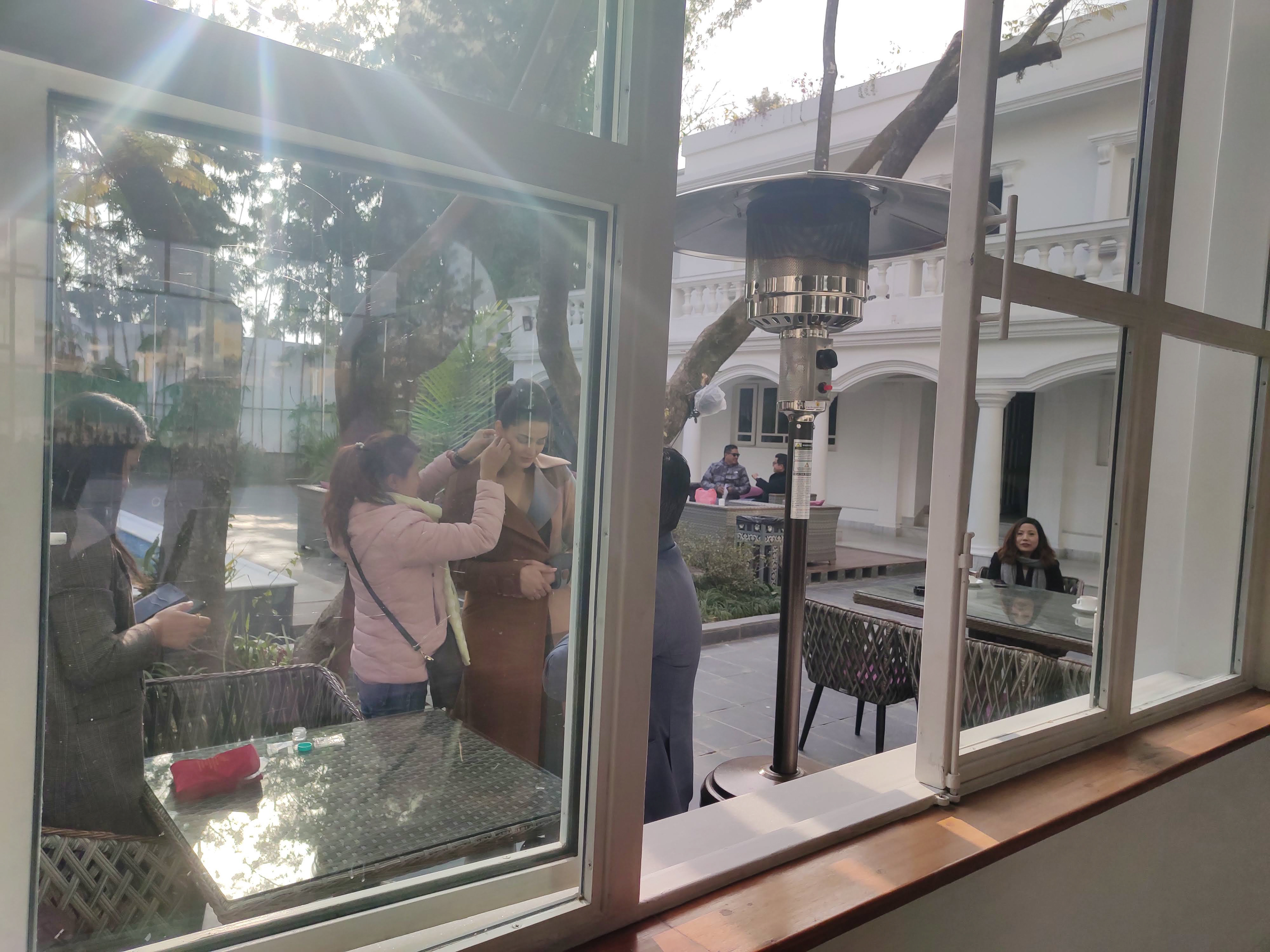
Personality: Miss Nepal Universe 2018 Manita Devkota Photographed By: Kishor Kayastha Photography Assisted By: Anish Shakya Styled By: Sadhana Ranabhat MUA: The Beauty Bar Apparel: KASA Jewellery Courtesy: RD Diamond Jewellers Location Courtesy: The Silver Oak Events and Banquet Center
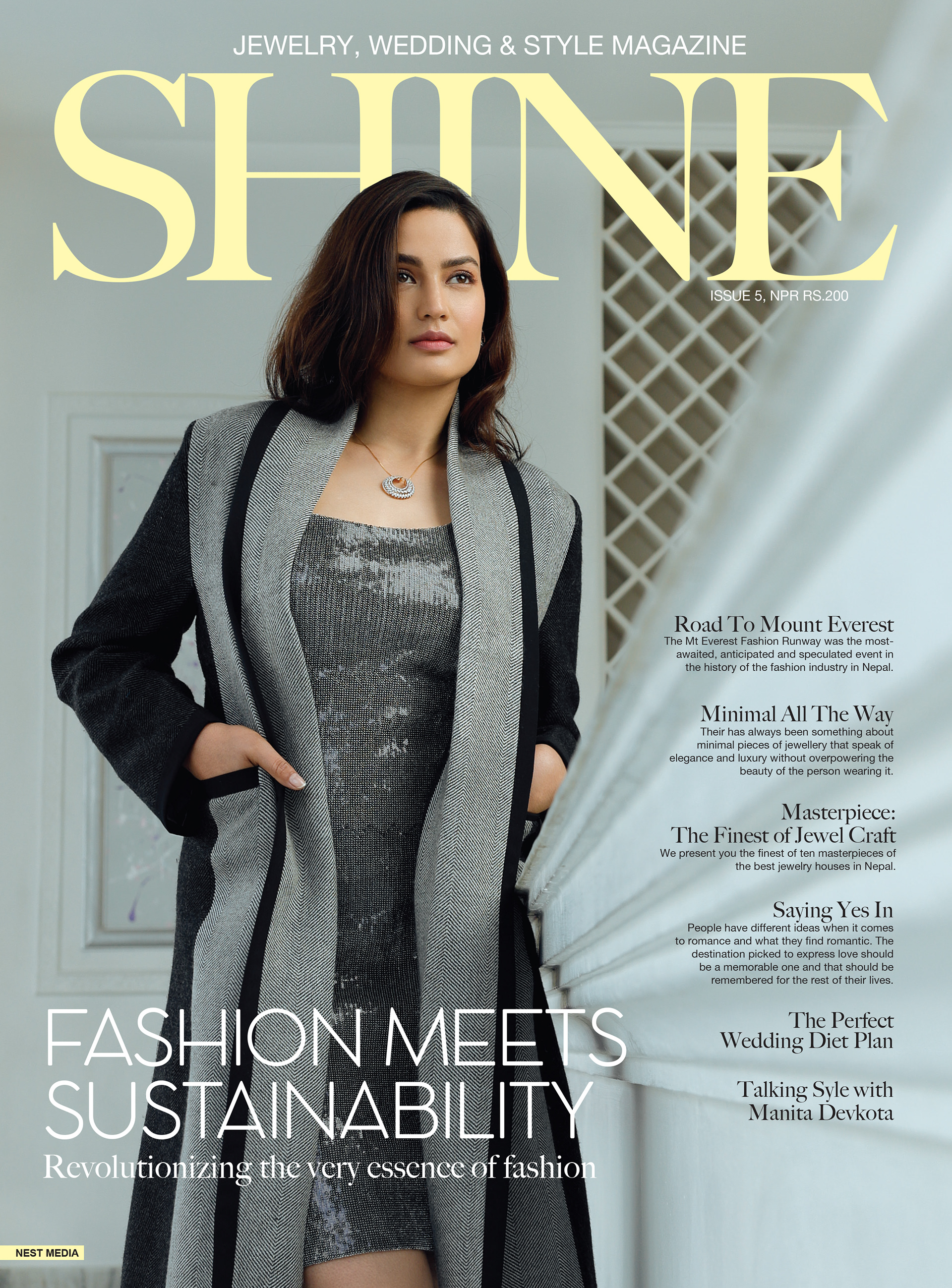
Personality: Miss Nepal Universe 2018 Manita Devkota Photographed By: Kishor Kayastha Photography Assisted By: Anish Shakya Styled By: Sadhana Ranabhat MUA: The Beauty Bar Apparel: KASA Jewellery Courtesy: RD Diamond Jewellers Location Courtesy: The Silver Oak Events and Banquet Center
TL;DR
Stepping into fashion editorial management for the first time, I managed a high-stakes, last-minute pivot for this issue's cover story. As the official magazine partners for the Mt. Everest Fashion Runway, we successfully shifted from a planned bridal shoot to a complex, sustainability-focused feature with Miss Nepal Universe, balancing immense creative differences and tight print deadlines.
Stack I Used
• Project & Logistics Tracking: Microsoft Excel (My central hub for re-mapping a completely pivoted production schedule and tracking final budget adjustments)
• Communication: WhatsApp, Email, and Phone Calls (Crucial for executing rapid-fire, real-time coordination when the entire direction of the issue changed at the last minute)
• Design & Review Collaboration: Adobe InDesign (Oversing the layout flow to blend a high-fashion aesthetic with a serious, data-driven essay on fast fashion and climate change)
Taking over this title was a massive learning curve for me. Coming from a family magazine background, I was still figuring out how the high-end fashion world worked, and after an underwhelming previous issue, I felt a deep responsibility to redeem myself and my team. This issue was supposed to feature a traditional bridal cover, with our partnership for the Mt. Everest Fashion Runway sitting inside as a separate feature. But plans fell through at the eleventh hour, and the entire plot changed. We had to pivot completely, transforming the cover into a sustainability-focused story featuring Miss Nepal Universe 2018, Manita Devkota.
Pulling off an emergency pivot of this scale is a logistical nightmare, and navigating that kind of pressure requires a team that trusts you completely. I brought in my mentor to shoot the editorial because I knew nobody else could deliver that level of high-end fashion under extreme time constraints. While coordinating with the KASA apparel team and our photographer Kishor, I also wrote the core essay myself. I used a microeconomics demand-supply framework to challenge fast fashion and highlight the Everest region's eco-conscious initiatives, ensuring our sudden creative shift carried real intellectual weight.
By this point in my career, balancing the creative storytelling with closing the monthly book was second nature to me. Even with the last-minute chaos of changing garments to sustainable felt and re-negotiating layout space, the financial side had to remain airtight. The real challenge wasn't just managing the budget, but managing the personalities. When you assemble a powerhouse team for a high-profile feature, everyone has a strong creative vision. My job was to keep the project moving forward on time and on budget, while making sure the diverse voices on set felt respected and heard.
By this point in my career, balancing the creative storytelling with closing the monthly book was second nature to me. Even with the last-minute chaos of changing garments to sustainable felt and re-negotiating layout space, the financial side had to remain airtight. The real challenge wasn't just managing the budget, but managing the personalities. When you assemble a powerhouse team for a high-profile feature, everyone has a strong creative vision. My job was to keep the project moving forward on time and on budget, while making sure the diverse voices on set felt respected and heard.
Learning
When you work with a highly talented team, too many cooks can easily spoil the broth because everyone has a strong creative vision. I learned that the secret to maintaining team morale during a high-pressure crisis isn't about shutting people out—it's about listening to everyone's voice just enough to keep them inspired, while firmly holding the line to get the book closed on time.

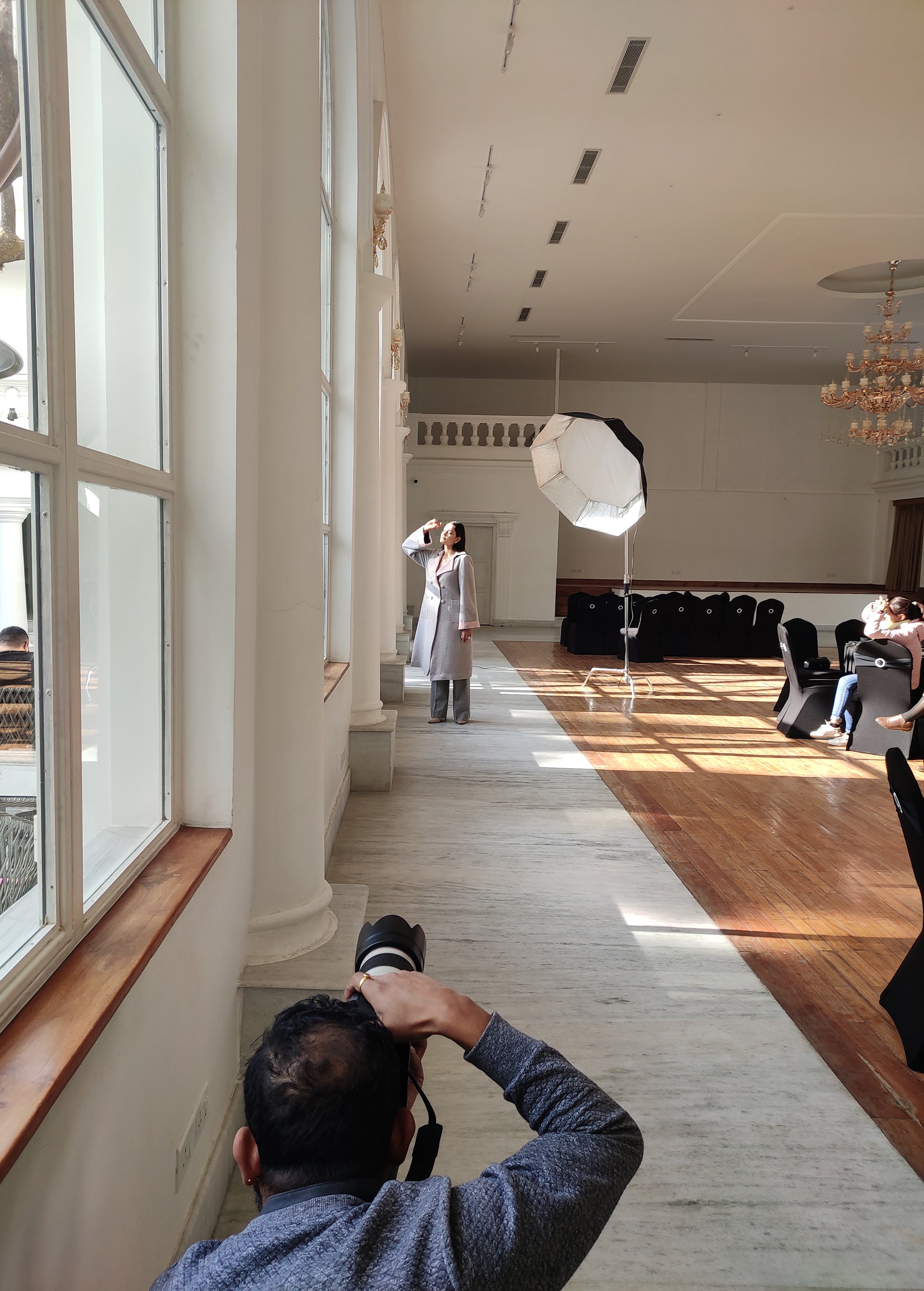
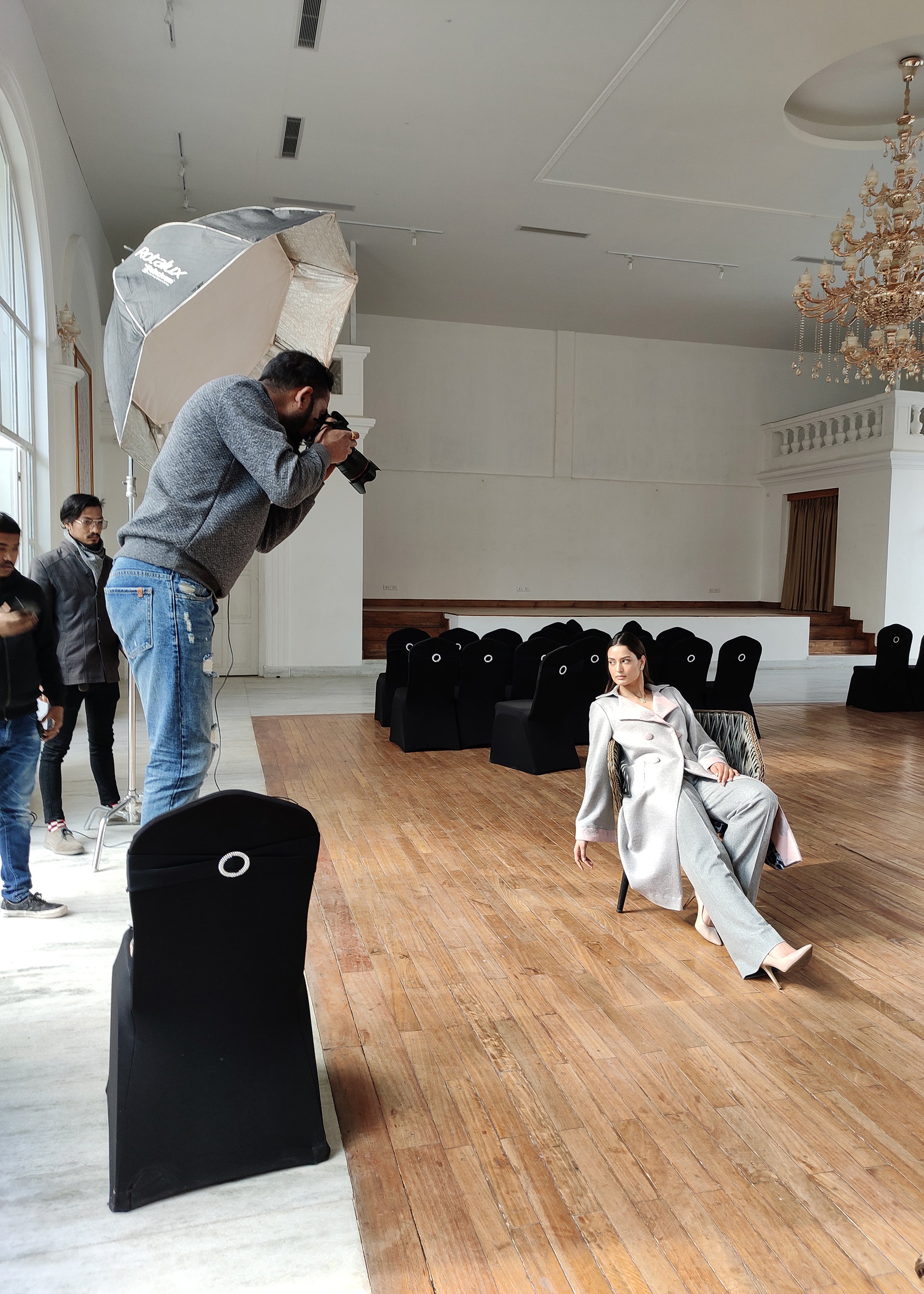
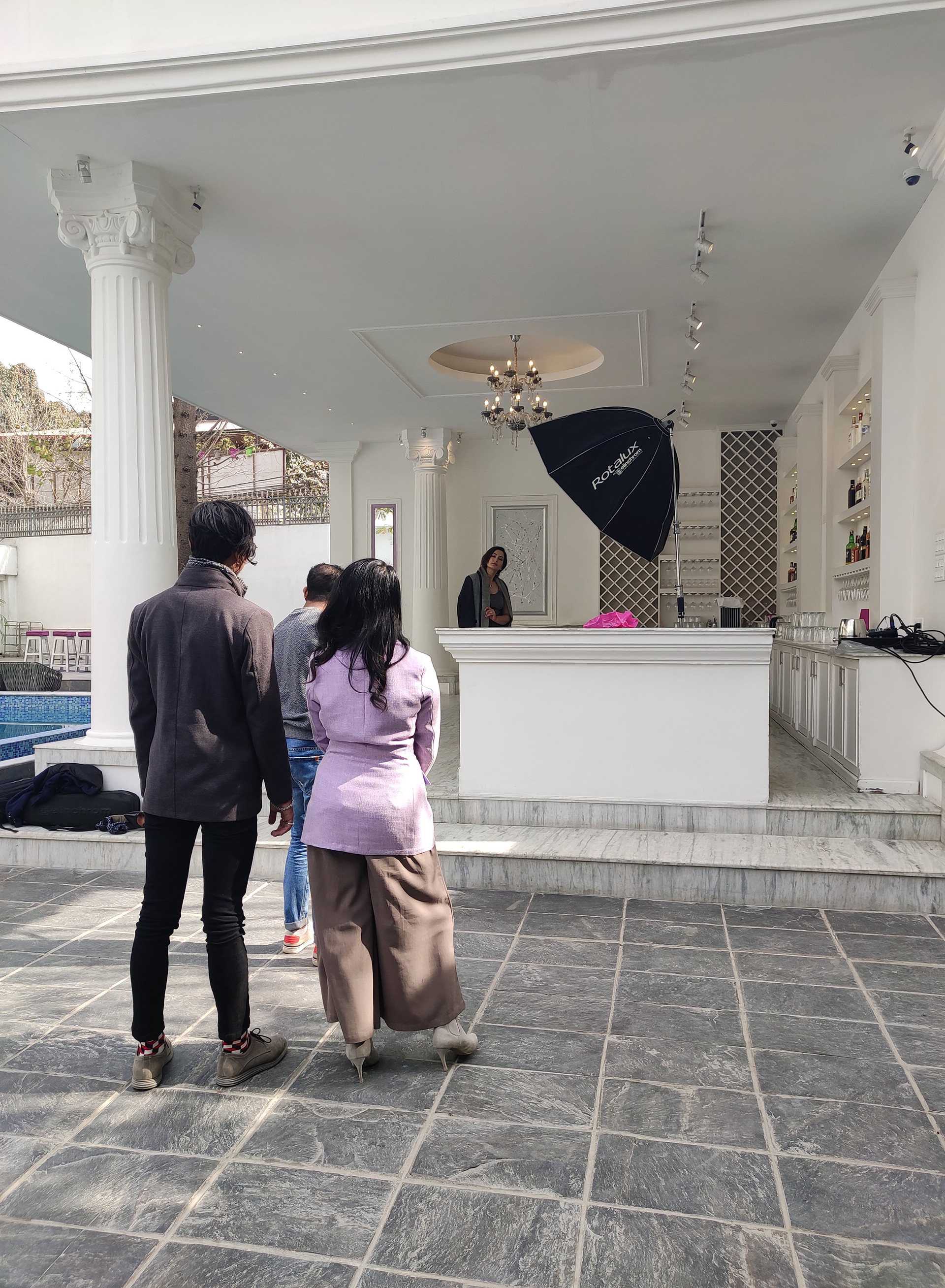



Cover Story
Fashion Meets Sustainability: Revolutionizing the very essence of fashion
It is time that the fashion industry evolves and takes forth a new dimension, a dimension with thought, respect and care for the environment.
By Shreyashka Maharjan (Shree)
As the world beneath our feet, which gives us the very essence of life, begins to crumble, it takes an effort from all the industries of humanity to take forth the charge to conserve, sustain, and better this world we call home. The ever-pressing matter of climate change has become a literal burning issue that has taken a toll not just for humanity but for all the living creatures of planet Earth.
It has caused utter chaos and unleashed a domino effect which, as the felling of trees, is sweeping the world off into a point of no return. Amidst this crisis, it takes heroes from all walks of life to take forth the torch and lead the charge to bring change. For the longest time in the evolution of humanity and climate change, the industry of fashion was spared the burden of being a culprit. But no more shall it be innocent, and in time the people of this world became aware of the impacts that the fashion industry had on the environment.
To blame are not just the producers, but also the consumers. We the people of Earth, with this insatiable desire for our wardrobes to be stocked to the brim with apparel from the biggest and baddest brands, from every shade of the rainbow and print in the animal world. This takes me back to my first class in microeconomics, and the very equation that fuels this ungodly mess: “For there is demand, there is supply and for supply, the demand.” This Newton’s cradle has brought forth movements in the fashion industry which, from a style icon's perspective, is what he/she needs to have for his/her next soiree. But shifting polarity, this unquenchable demand is the exploitation of natural resources just so one looks on point with the latest fashion trends.
For the longest time, it never dawned upon humanity that this hunger for the latest trends contributed majorly to the destruction of the environment. “Well, it’s fashion after all!” they said, which in part is true; the fashion industry on its own doesn’t harm the Earth much. But multiply the fashion weeks to fifty-two, increase the demand for denim, bring in polyester, acrylic, nylon, and spandex into the equation, make it a mass-producing industry and you're cooking a recipe that has been spilling a disaster onto the environment for more than two centuries and counting.
Gone are the days when fashion wasn’t bothered by wearing the same clothes every day. Gone are the days of the four seasons inspiring the fashion weeks. And no longer are natural fabrics cool!
It is time that the fashion industry saw a true movement, which embodies the outcry of not just countless activists, but also of this planet that we call home; its citizens from all branches of the tree of evolution. A movement which is more than just a television commercial stating that the brand is turning sustainable, or a label which says recyclable. For all the sugar, spice, and everything needed is already all around us. Why can’t we stop investing in the development of apparently better forms of polyester and invest in the development of soy fabrics? Why can’t we better produce fabrics such as Hemp, Qmilch (fibers produced from casein in milk), Felt, Bamboo, Lyocell (fabrics made from cellulose fiber), and S.Café (fibers from recycling used ground coffee beans)? Why can’t our beloved icons of fashion start to endorse brands which are truly all-natural and sustainable?
I hope the retort is not similar to why don’t you stop brushing your teeth every morning.
To those who just woke up, ladies and gentlemen, I give you a spark in this oil-stained, greenwashed, polluted landfill. A spark straight out of the land which is going to be at a very critical position in the near future. Why? This land that I am talking about is a nation whose citizens have been awesomely proud of the majesty of the Himalayas; the travelers have been awestruck by the true beauty of the Himalayan snow. In the distant future, if humanity continues this tandav, and as the drumbeat rolls and we reach the catharsis, just like the applause that fills the theater during the final bow, this land shall be filled with “Natural Himalayan Water” bursting out of the floodgates as the glaciers breathe their final breath and no longer shall the misty mountains be as fair as snow.
This spark is an initiative that at first surprised me. “A Fashion Runway at Everest Region, Featuring Sustainable Fabric, An Effort To Raise Awareness For Climate Change, A Sustainable Infrastructure, An Attempt to be carbon negative by carbon offsetting, and International Models.” It was something that sparked a smile, as I walked out of the first press conference. I thought to myself if only this was New York, Paris, Milan, London or being done by “The Biggest and Baddest Brands”. It would shake up the entire fashion industry but neither are we in London nor is KASA, “The Biggest or the Baddest.” But yet the team visions not just a place in the international fashion world, but a place hard-earned with thought and intent to minimize their footprint in the act of environmental degradation and exploitation in the name of Fashion.
The initiative was thought to be radical. A Fashion Show at Everest: Impossible! Sustainable Fashion, real! As I write this, all that I can think of is the safety and security of the team that is going to create history. The history that in the future is going to be remembered as the first true effort in the fashion industry of Nepal taking to heart the environment and the citizens of this world.
It was an honor to have acquainted myself with the team of KASA, and even though it was very last minute, it was truly an honor to get a preview of the sustainable line which is being adorned by Miss Nepal Universe 2018 Manita Devkota in this cover story. The sustainable line features the fabric felt, which is an all-natural fiber made from animal wool. The fabric has longevity, and being natural, its fibers are biodegradable. It’s quite an amazing fabric, as it is produced by matting, condensing, and pressing fibers together. The fibers can be freshly sourced and even be recycled. Felt also comes in a synthetic variety, so please do be wary of labels that state it’s all-natural. Avoiding these circumstances can be a challenge to a novice; thus, the best foot forward would be to conduct a bit of research about the brand you're trusting your outlook on and purchasing it from its authorized outlets.
There is always felt, but what about other forms of natural fabrics you might wonder? In bygone days, natural fabrics were all one had, such as organically grown cotton, but in the 21st century, due to the demands of the race of fast fashion, the five months it takes for the cotton plant to grow isn’t enough to meet the never-ending demands. Thus, producers intentionally and unintentionally resort to using pesticides and inorganic fertilizers to speed up the maturity of the cotton plant. This has unprecedented impacts on the environment. The farmers might pluck the harvest, but what they leave behind are contaminants that remain in the ecosystem. The race to meet the suppliers' demands requires larger cultivable land, which leads to deforestation, large volumes of water, and continuous plantations lead to soil depletion.
When one ponders at all the equations one might just conclude that there is no point and no hope. But sustainability is not just about the tales of organic and biodegradable fibres. It’s also about reducing consumption, “ For there is demand, there is supply and for supply the demand.” What if we as caring and thoughtful citizens of planet earth disrupt the supply chain?
Disruption comes at a cost.
The R&D is expensive, completely shifting to a new system is meticulously difficult, developing eco-friendly logistics will be overhauling. But the most challenging among the changes is to incept the heart and minds of the 7.53 billion individuals spread throughout continents to give up their comforts in fast fashion and to make them aware of sustainability. The task is mammoth but not impossible. A collaborative effort of all the nations, its societies and communities will take the ’im’ out of impossible to make it a reality.