TL;DR
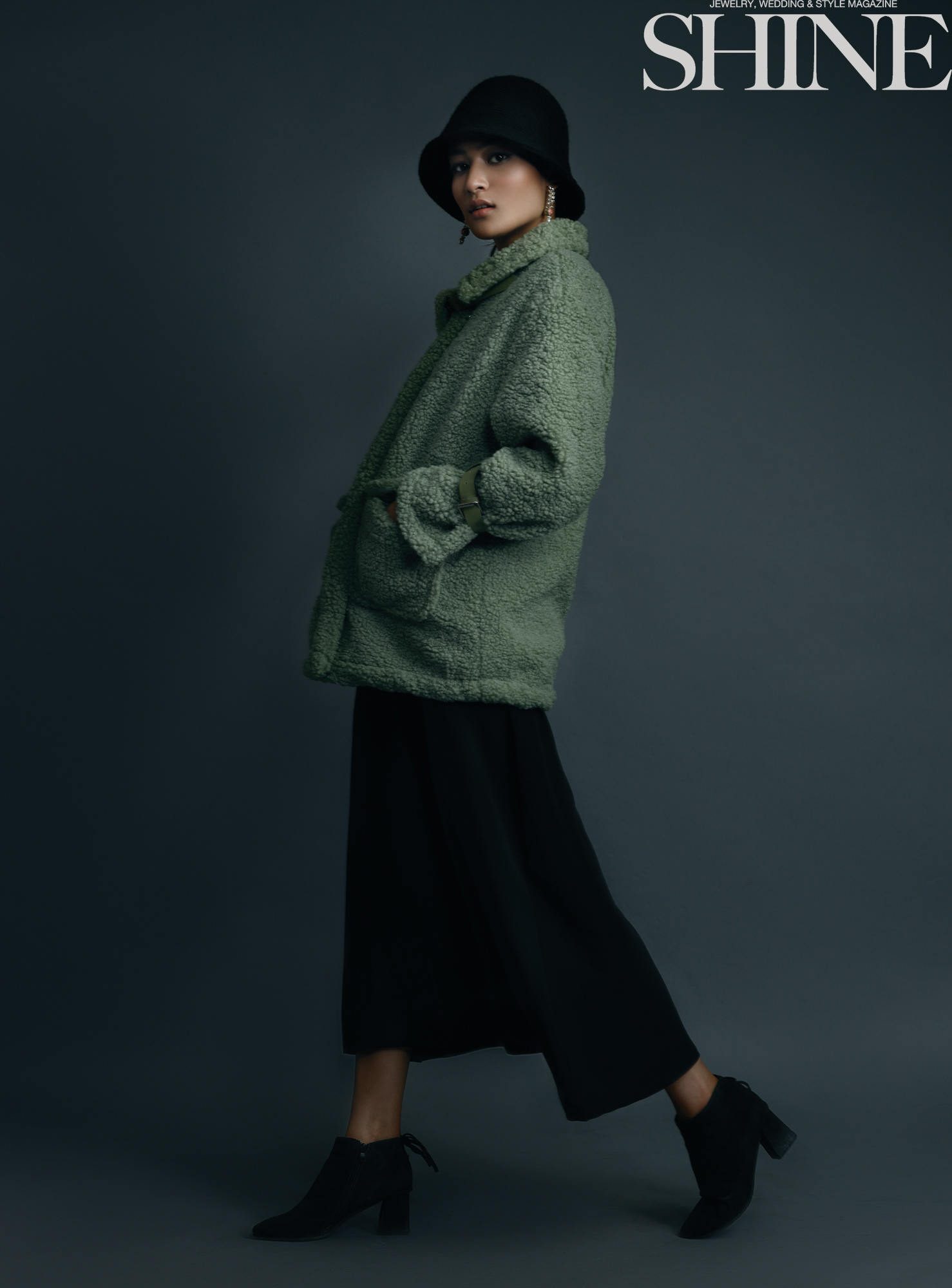
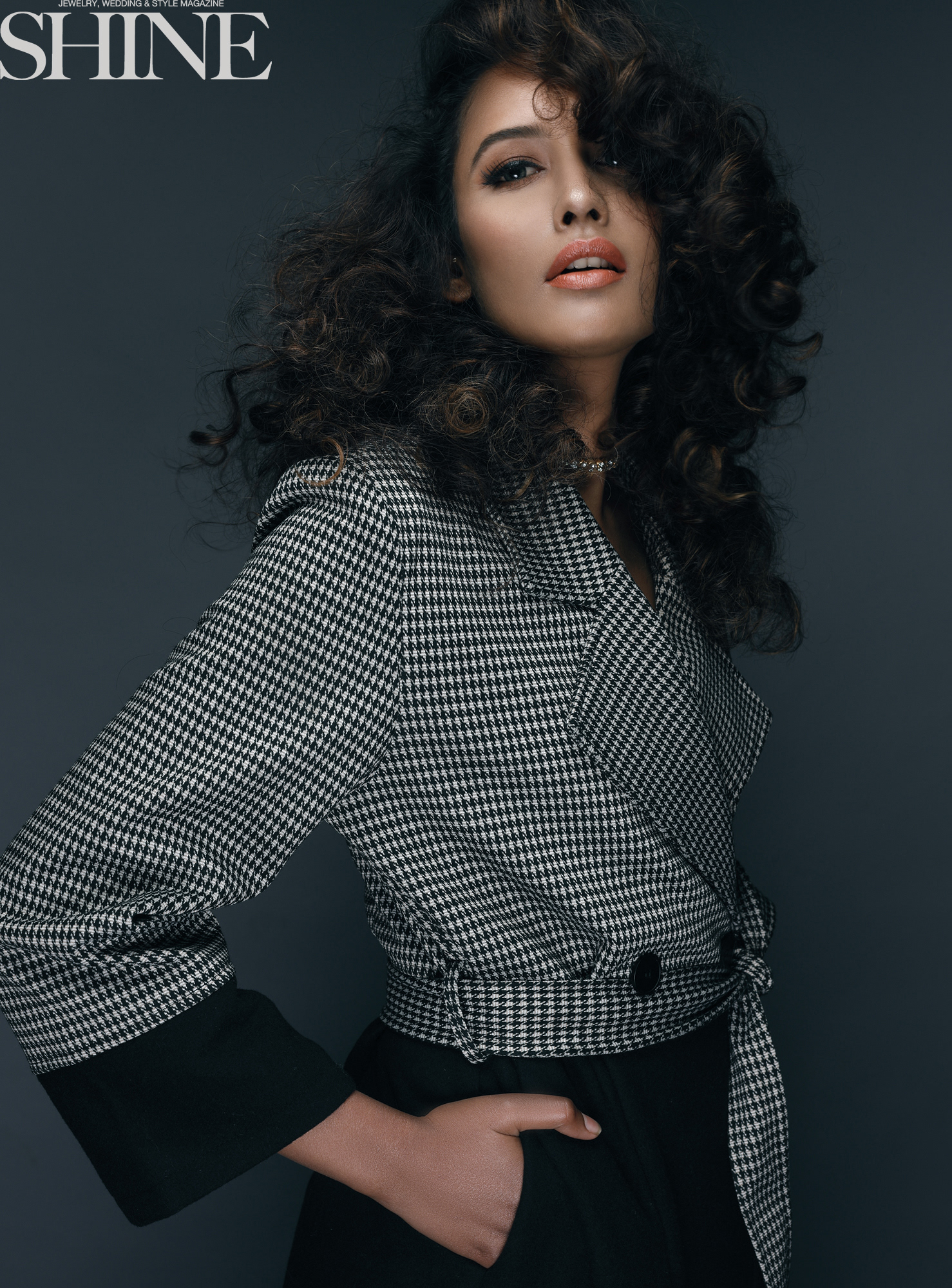
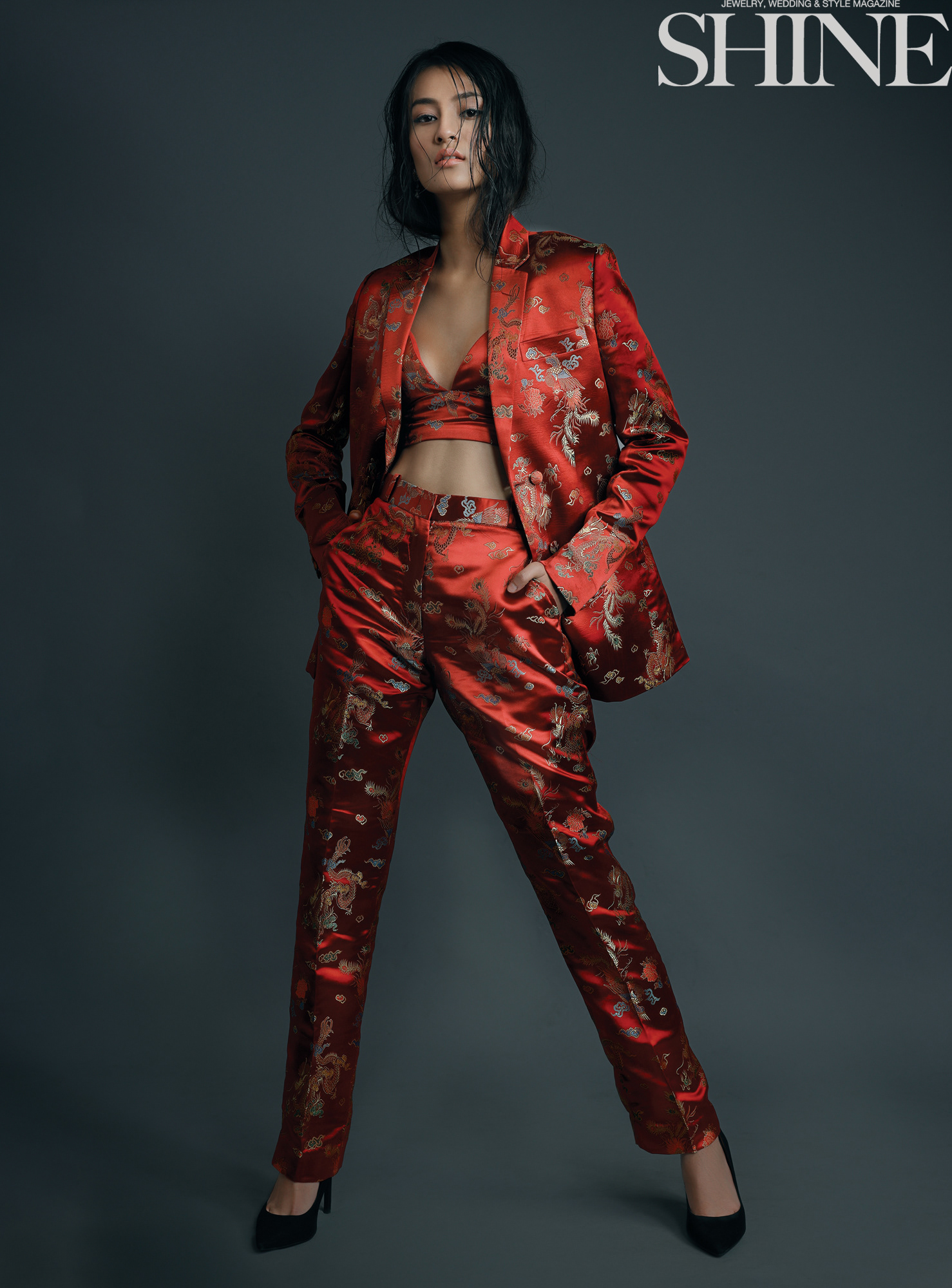
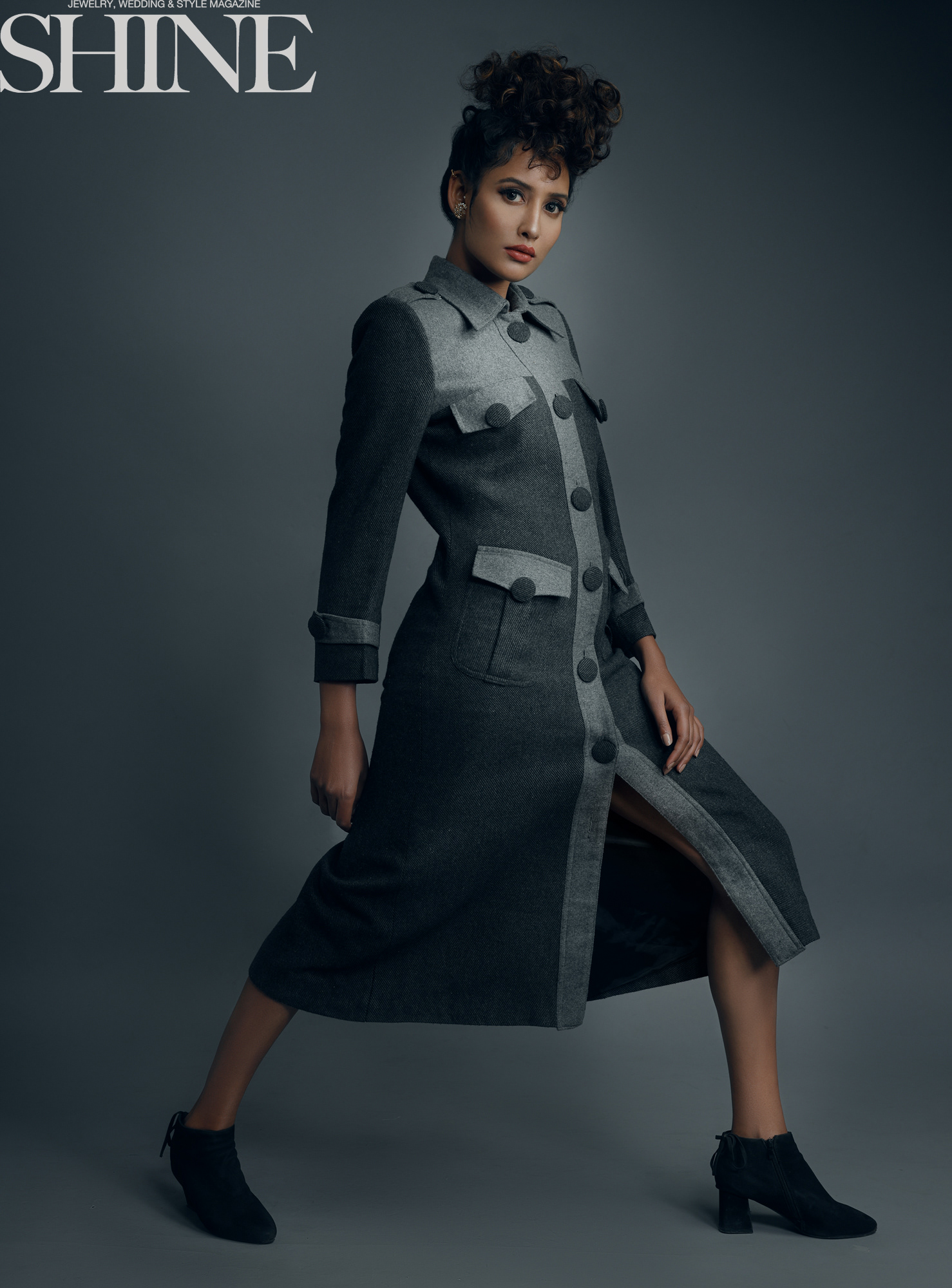
I managed the creative and financial execution for this high-fashion editorial, which I built as a collective feature to highlight the designers and entrepreneurs pushing Nepal's fashion boundaries. By leveraging strong industry relationships, I brought together a massive team for a high-stakes, passion-driven shoot that delivered a powerful, refreshing visual statement on a strict budget.
Stack I Used
Project & Financial Tracking: Microsoft Excel (Used for coordinating the intensive, multi-team schedules and tracking production costs from scratch)
Communication: WhatsApp, Email, and Phone Calls (Manually managing constant updates between the models, stylists, and makeup artists)
Design Oversight: Adobe InDesign (Reviewing the layout flow to ensure the text-heavy introduction perfectly balanced the striking, full-page photography)
Building the Collective
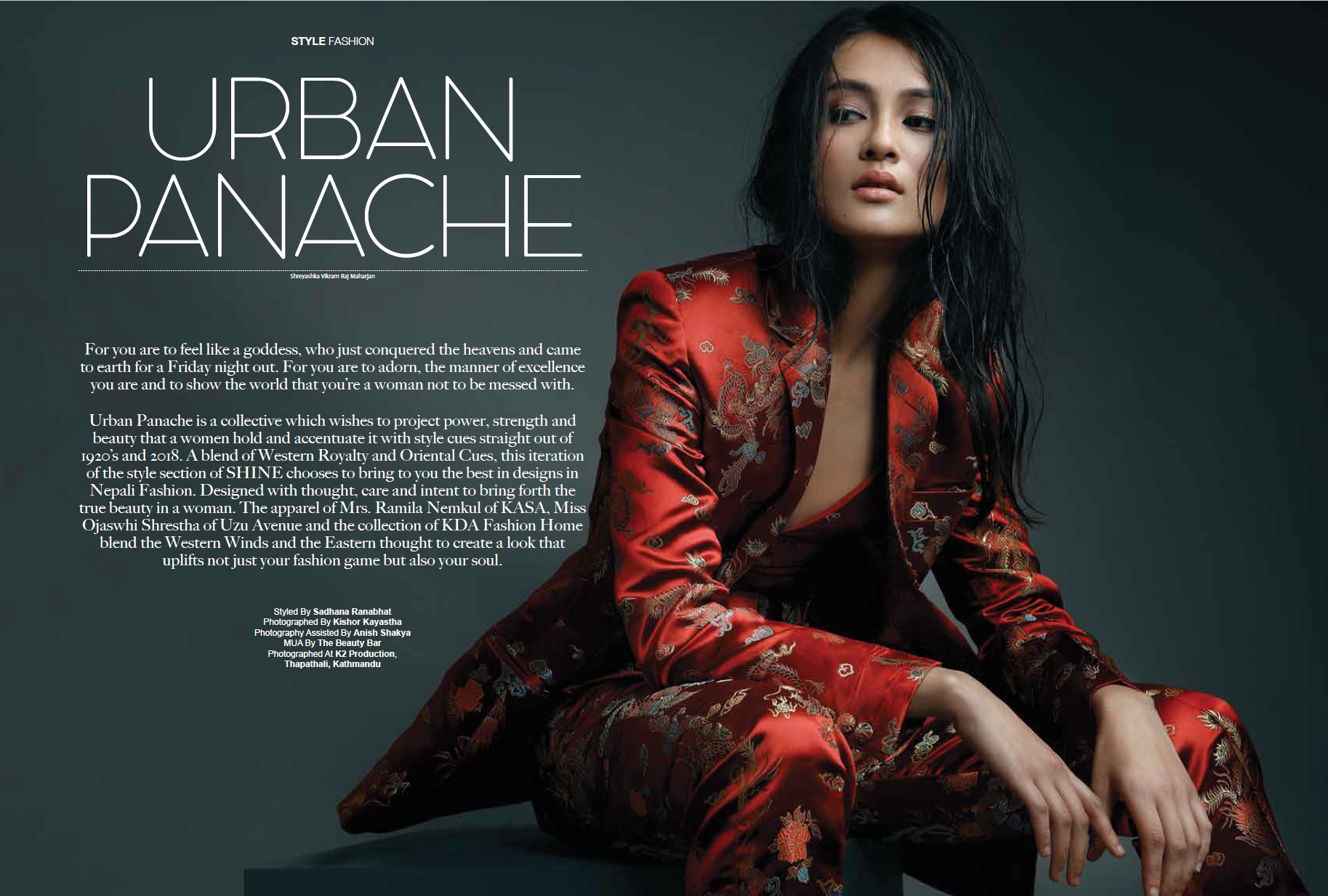
The concept behind "Urban Panache" was to create a true collective feature that recognized the visionaries shaking up Nepal's fashion scene—from designers like Ojaswhi to entrepreneurs like Ramila and KDA Fashion. Getting approval for a shoot of this scale from my mentor was tough, so I knew the execution had to be flawless. I gave my stylist a strict, unapologetic brief: “It took a lot to get this approved, so it has to be perfect. We need a roster of 10 models for the final cut, and the style needs to be out there but rooted in simplicity—nude makeup, bare nails, and a deep, raw femininity accentuated entirely by the apparel.”
The Logistics of a High-Fashion Shoot
Pulling off a high-end fashion editorial requires an intense amount of behind-the-scenes orchestration. My approach to managing the chaos is always to over-prepare—scheduling everything down to the minute, locking in a backup shoot date for our backup date, and showing up early to check on every single team. Because I wrote the editorial copy myself, I could focus my energy on keeping morale high and keeping the moving pieces aligned. Working with a savant photographer meant my main job was to put the right pieces in front of his lens, keep the timeline tight, and let his talent do the rest.
Leveraging Goodwill and Passion
Fashion editorials are notoriously expensive because of the sheer number of moving parts, but this project was fueled almost entirely by passion and mutual respect. Instead of relying on a massive corporate budget, I leaned heavily on networking, communication, and the goodwill I had built up in the industry. We cast incredibly talented, upcoming models who saw the feature as a gold-standard addition to their own portfolios. Balancing the monthly book for this issue proved that you don't always need massive budgets to create something refreshing and high-end—you just need the right relationships and a relentless work ethic.